
How AI Reframing Saves Broadcasters Hours of Manual Editing
This article explains how AI video reframing is transforming sports broadcasting by eliminating time-consuming manual edits. It explores how automated reframing, multi-aspect output, and AI-powered cropping—through solutions like Zentag AI—help broadcasters deliver high-quality content faster while giving editors more time to focus on creativity.
This article explains how AI video reframing is transforming sports broadcasting by eliminating time-consuming manual edits. It explores how automated reframing, multi-aspect output, and AI-powered cropping—through solutions like Zentag AI—help broadcasters deliver high-quality content faster while giving editors more time to focus on creativity.

Shubhamm G
Shubhamm G
Content Writer @Zentag AI
zentag, ai reframing, broadcasting, sports clip, sports clip ai reframing
zentag, ai reframing, broadcasting, sports clip, sports clip ai reframing
In modern sports broadcasting, speed is everything. Audiences expect highlights immediately, editors face tighter deadlines than ever, and the pressure to deliver clean, platform-ready clips continues to grow. This is exactly where AI video reframing has become a breakthrough—helping broadcasters reduce manual editing hours while maintaining a consistent, polished look across every output format.
Why Reframing Became a Time Drain
Traditionally, editors had to crop, resize, and reposition footage manually for different layouts—16:9 for TV, 9:16 for social media, and 1:1 for feeds. What sounds simple is actually repetitive, frame-by-frame work that consumes a surprising amount of time. That’s why the rise of multi-aspect auto reframing is such a relief for production teams. Instead of spending hours adjusting composition, editors can rely on automation to track subjects and generate clean cuts instantly.
Broadcasters who juggle multiple sports feel this pain the most. Manually reframing fast-paced content—tennis volleys, football transitions, motorsport close-ups—can bottleneck even well-staffed media teams.
Where AI Makes the Difference
With AI video reframing, machine-learning models analyze the action, identify key subjects, and adjust the crop dynamically across formats. The results look intentional, not automated. Editors no longer need to drag bounding boxes or correct misalignments; the system understands where the attention belongs.
This is also where automated editing tools have stepped up. They’re no longer limited to trimming clips. They evaluate scenes, detect faces, track motion, and intelligently reposition footage to keep the key action centered. When used well, they significantly reduce the repetitive groundwork that slows down production workflows.
Zentag AI’s Approach to Smarter Reframing
One notable shift in the industry is how companies are integrating reframing into broader automated systems. Zentag AI, for example, combines highlight detection and AI-powered cropping into a unified workflow, meaning reframing isn’t an isolated task—it’s part of an automated pipeline that prepares content across multiple aspect ratios without requiring manual touch-ups.
This is especially valuable for broadcasters who distribute content across OTT platforms, social media, and localized feeds. Instead of creating multiple versions of the same clip, the system generates them instantly and consistently.
Why Reframing Automation Matters for 2026 and Beyond
The demand for vertical and short-form content isn’t slowing down. Broadcasters who used to optimize only for horizontal screens now need to think about mobile-first viewers, social-first engagement, and multi-platform distribution. Without multi-aspect auto reframing, editors simply cannot keep up with the volume.
Moreover, as more leagues experiment with real-time content delivery, manual adjustments just don’t fit the pace. AI video reframing brings the necessary speed—processing clips in seconds instead of minutes or hours.
The Bigger Impact: Creative Time, Not Just Faster Edits
At its core, the goal isn’t to remove editors from the process—it’s to free them from low-value work. With AI-powered cropping, editors spend less time resizing footage and more time shaping stories, selecting highlights, and perfecting final cuts. That creative shift is where the true ROI appears.
And when automated editing tools handle the repetitive mechanics behind the scenes, broadcasters can execute consistently across sports, regions, and platforms without sacrificing quality.
Conclusion
As the sports media world accelerates, the adoption of AI video reframing becomes less of an option and more of a necessity. By combining intelligent subject tracking, multi-aspect auto reframing, and advanced AI-powered cropping, tools like those offered by Zentag AI help broadcasters reclaim hours of manual work and deliver content faster than ever.
The next stage of broadcasting belongs to teams who automate the repetitive—and elevate the creative.
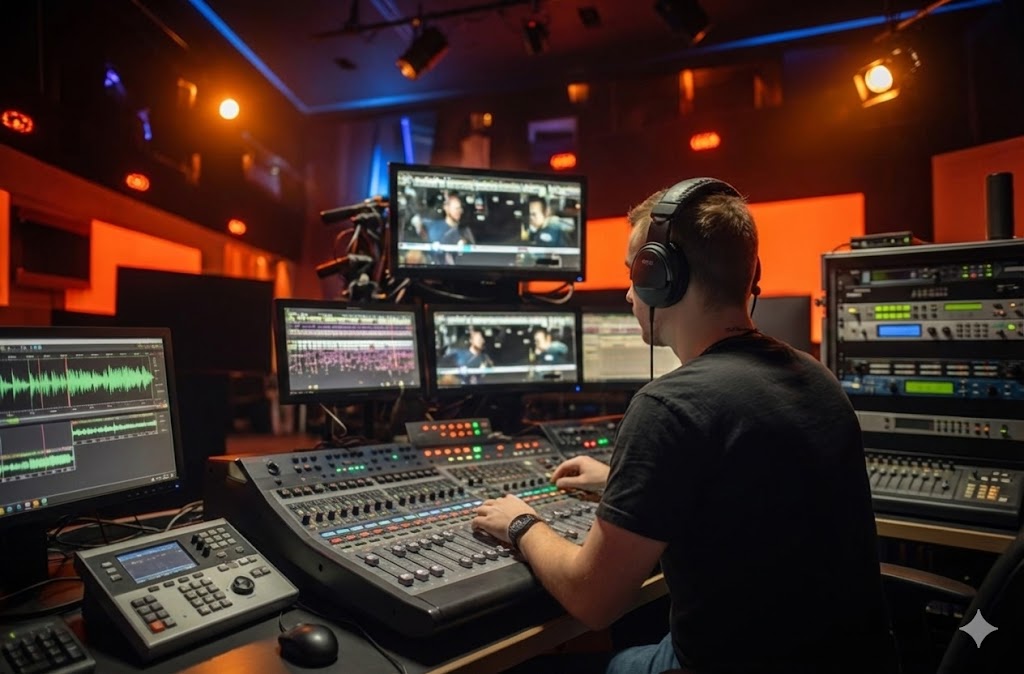
In modern sports broadcasting, speed is everything. Audiences expect highlights immediately, editors face tighter deadlines than ever, and the pressure to deliver clean, platform-ready clips continues to grow. This is exactly where AI video reframing has become a breakthrough—helping broadcasters reduce manual editing hours while maintaining a consistent, polished look across every output format.
Why Reframing Became a Time Drain
Traditionally, editors had to crop, resize, and reposition footage manually for different layouts—16:9 for TV, 9:16 for social media, and 1:1 for feeds. What sounds simple is actually repetitive, frame-by-frame work that consumes a surprising amount of time. That’s why the rise of multi-aspect auto reframing is such a relief for production teams. Instead of spending hours adjusting composition, editors can rely on automation to track subjects and generate clean cuts instantly.
Broadcasters who juggle multiple sports feel this pain the most. Manually reframing fast-paced content—tennis volleys, football transitions, motorsport close-ups—can bottleneck even well-staffed media teams.
Where AI Makes the Difference
With AI video reframing, machine-learning models analyze the action, identify key subjects, and adjust the crop dynamically across formats. The results look intentional, not automated. Editors no longer need to drag bounding boxes or correct misalignments; the system understands where the attention belongs.
This is also where automated editing tools have stepped up. They’re no longer limited to trimming clips. They evaluate scenes, detect faces, track motion, and intelligently reposition footage to keep the key action centered. When used well, they significantly reduce the repetitive groundwork that slows down production workflows.
Zentag AI’s Approach to Smarter Reframing
One notable shift in the industry is how companies are integrating reframing into broader automated systems. Zentag AI, for example, combines highlight detection and AI-powered cropping into a unified workflow, meaning reframing isn’t an isolated task—it’s part of an automated pipeline that prepares content across multiple aspect ratios without requiring manual touch-ups.
This is especially valuable for broadcasters who distribute content across OTT platforms, social media, and localized feeds. Instead of creating multiple versions of the same clip, the system generates them instantly and consistently.
Why Reframing Automation Matters for 2026 and Beyond
The demand for vertical and short-form content isn’t slowing down. Broadcasters who used to optimize only for horizontal screens now need to think about mobile-first viewers, social-first engagement, and multi-platform distribution. Without multi-aspect auto reframing, editors simply cannot keep up with the volume.
Moreover, as more leagues experiment with real-time content delivery, manual adjustments just don’t fit the pace. AI video reframing brings the necessary speed—processing clips in seconds instead of minutes or hours.
The Bigger Impact: Creative Time, Not Just Faster Edits
At its core, the goal isn’t to remove editors from the process—it’s to free them from low-value work. With AI-powered cropping, editors spend less time resizing footage and more time shaping stories, selecting highlights, and perfecting final cuts. That creative shift is where the true ROI appears.
And when automated editing tools handle the repetitive mechanics behind the scenes, broadcasters can execute consistently across sports, regions, and platforms without sacrificing quality.
Conclusion
As the sports media world accelerates, the adoption of AI video reframing becomes less of an option and more of a necessity. By combining intelligent subject tracking, multi-aspect auto reframing, and advanced AI-powered cropping, tools like those offered by Zentag AI help broadcasters reclaim hours of manual work and deliver content faster than ever.
The next stage of broadcasting belongs to teams who automate the repetitive—and elevate the creative.
In modern sports broadcasting, speed is everything. Audiences expect highlights immediately, editors face tighter deadlines than ever, and the pressure to deliver clean, platform-ready clips continues to grow. This is exactly where AI video reframing has become a breakthrough—helping broadcasters reduce manual editing hours while maintaining a consistent, polished look across every output format.
Why Reframing Became a Time Drain
Traditionally, editors had to crop, resize, and reposition footage manually for different layouts—16:9 for TV, 9:16 for social media, and 1:1 for feeds. What sounds simple is actually repetitive, frame-by-frame work that consumes a surprising amount of time. That’s why the rise of multi-aspect auto reframing is such a relief for production teams. Instead of spending hours adjusting composition, editors can rely on automation to track subjects and generate clean cuts instantly.
Broadcasters who juggle multiple sports feel this pain the most. Manually reframing fast-paced content—tennis volleys, football transitions, motorsport close-ups—can bottleneck even well-staffed media teams.
Where AI Makes the Difference
With AI video reframing, machine-learning models analyze the action, identify key subjects, and adjust the crop dynamically across formats. The results look intentional, not automated. Editors no longer need to drag bounding boxes or correct misalignments; the system understands where the attention belongs.
This is also where automated editing tools have stepped up. They’re no longer limited to trimming clips. They evaluate scenes, detect faces, track motion, and intelligently reposition footage to keep the key action centered. When used well, they significantly reduce the repetitive groundwork that slows down production workflows.
Zentag AI’s Approach to Smarter Reframing
One notable shift in the industry is how companies are integrating reframing into broader automated systems. Zentag AI, for example, combines highlight detection and AI-powered cropping into a unified workflow, meaning reframing isn’t an isolated task—it’s part of an automated pipeline that prepares content across multiple aspect ratios without requiring manual touch-ups.
This is especially valuable for broadcasters who distribute content across OTT platforms, social media, and localized feeds. Instead of creating multiple versions of the same clip, the system generates them instantly and consistently.
Why Reframing Automation Matters for 2026 and Beyond
The demand for vertical and short-form content isn’t slowing down. Broadcasters who used to optimize only for horizontal screens now need to think about mobile-first viewers, social-first engagement, and multi-platform distribution. Without multi-aspect auto reframing, editors simply cannot keep up with the volume.
Moreover, as more leagues experiment with real-time content delivery, manual adjustments just don’t fit the pace. AI video reframing brings the necessary speed—processing clips in seconds instead of minutes or hours.
The Bigger Impact: Creative Time, Not Just Faster Edits
At its core, the goal isn’t to remove editors from the process—it’s to free them from low-value work. With AI-powered cropping, editors spend less time resizing footage and more time shaping stories, selecting highlights, and perfecting final cuts. That creative shift is where the true ROI appears.
And when automated editing tools handle the repetitive mechanics behind the scenes, broadcasters can execute consistently across sports, regions, and platforms without sacrificing quality.
Conclusion
As the sports media world accelerates, the adoption of AI video reframing becomes less of an option and more of a necessity. By combining intelligent subject tracking, multi-aspect auto reframing, and advanced AI-powered cropping, tools like those offered by Zentag AI help broadcasters reclaim hours of manual work and deliver content faster than ever.
The next stage of broadcasting belongs to teams who automate the repetitive—and elevate the creative.
Q&A
What is AI video reframing and how does it help broadcasters?
How does AI reframing save time compared to manual editing?
Can AI video reframing be used for sports highlights and live content?
Does AI-powered reframing affect video quality or creative control?
Why are broadcasters choosing Zentag AI for automated video reframing?
Q&A
What is AI video reframing and how does it help broadcasters?
How does AI reframing save time compared to manual editing?
Can AI video reframing be used for sports highlights and live content?
Does AI-powered reframing affect video quality or creative control?
Why are broadcasters choosing Zentag AI for automated video reframing?
Q&A
What is AI video reframing and how does it help broadcasters?
How does AI reframing save time compared to manual editing?
Can AI video reframing be used for sports highlights and live content?
Does AI-powered reframing affect video quality or creative control?
Why are broadcasters choosing Zentag AI for automated video reframing?
Q&A
What is AI video reframing and how does it help broadcasters?
How does AI reframing save time compared to manual editing?
Can AI video reframing be used for sports highlights and live content?
Does AI-powered reframing affect video quality or creative control?
Why are broadcasters choosing Zentag AI for automated video reframing?
Product related content
How Real-Time Recaps Drive Fan Engagement and Revenue for Sports OTT
01.11.2025

Exploring automated content creation in sports: AI highlights, real-time clips, fan engagement, and revenue growth for leagues worldwide
09.10.2025

How Emotion, Authenticity and Smart Automation Are Redefining Brand–Fan Connections
09.10.2025

Product related content
How Real-Time Recaps Drive Fan Engagement and Revenue for Sports OTT
01.11.2025
Exploring automated content creation in sports: AI highlights, real-time clips, fan engagement, and revenue growth for leagues worldwide
09.10.2025
How Emotion, Authenticity and Smart Automation Are Redefining Brand–Fan Connections
09.10.2025
Product related content
How Real-Time Recaps Drive Fan Engagement and Revenue for Sports OTT
01.11.2025
Exploring automated content creation in sports: AI highlights, real-time clips, fan engagement, and revenue growth for leagues worldwide
09.10.2025
How Emotion, Authenticity and Smart Automation Are Redefining Brand–Fan Connections
09.10.2025
Wallstraße 9, 10179 Berlin
©2025 Zentag AI. All rights reserved
Wallstraße 9, 10179 Berlin
©2025 Zentag AI. All rights reserved
Wallstraße 9, 10179 Berlin
©2025 Zentag AI. All rights reserved
Wallstraße 9, 10179 Berlin
©2025 Zentag AI. All rights reserved
©2025 Zentag AI. All rights reserved
Wallstraße 9, 10179 Berlin
sales@zentag.ai


